What to Do When Your Red-Eye Lands Hours Before Hotel Check-In
Your Plan for an Airport Hotel After a Red-Eye Arrival
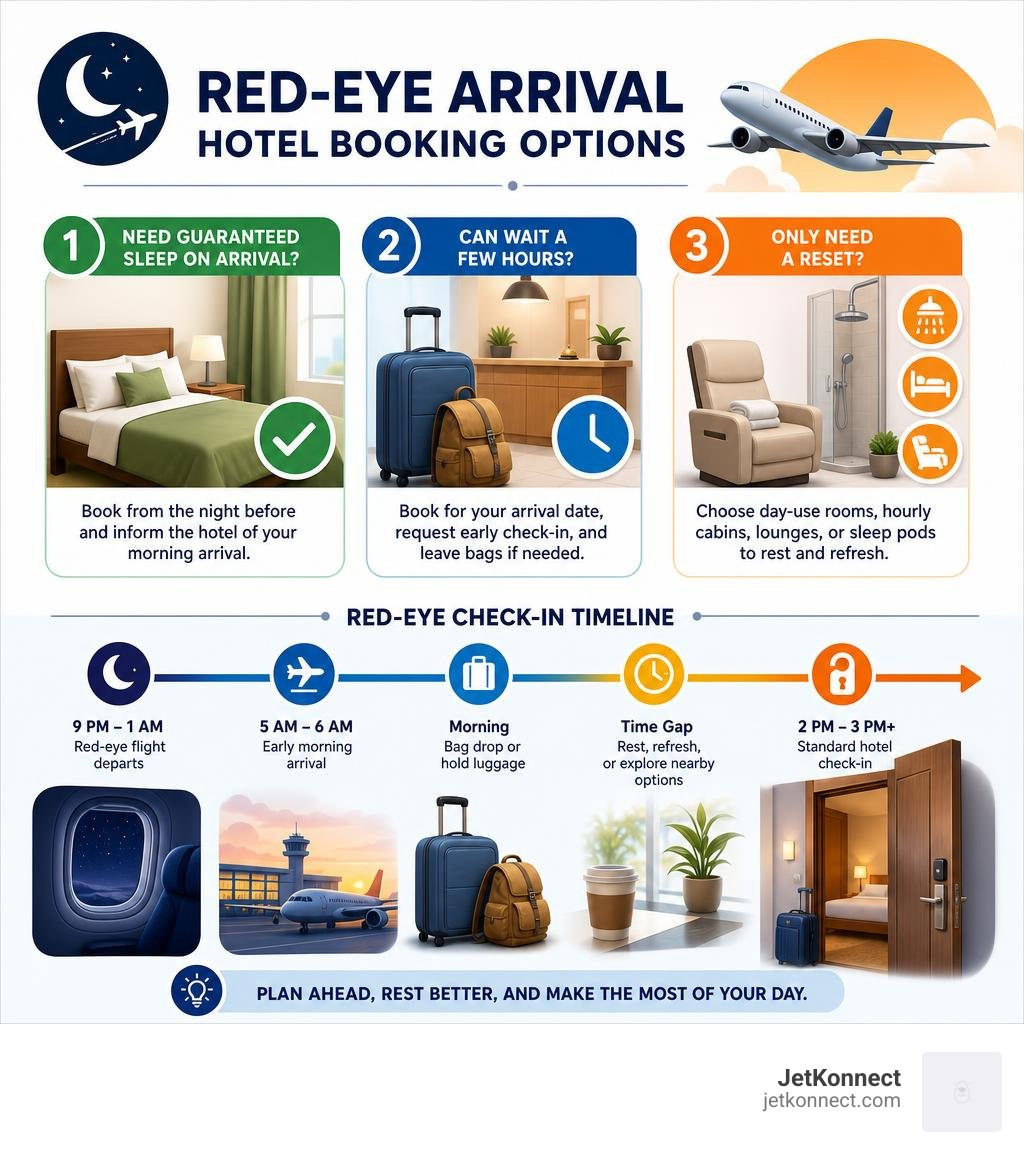
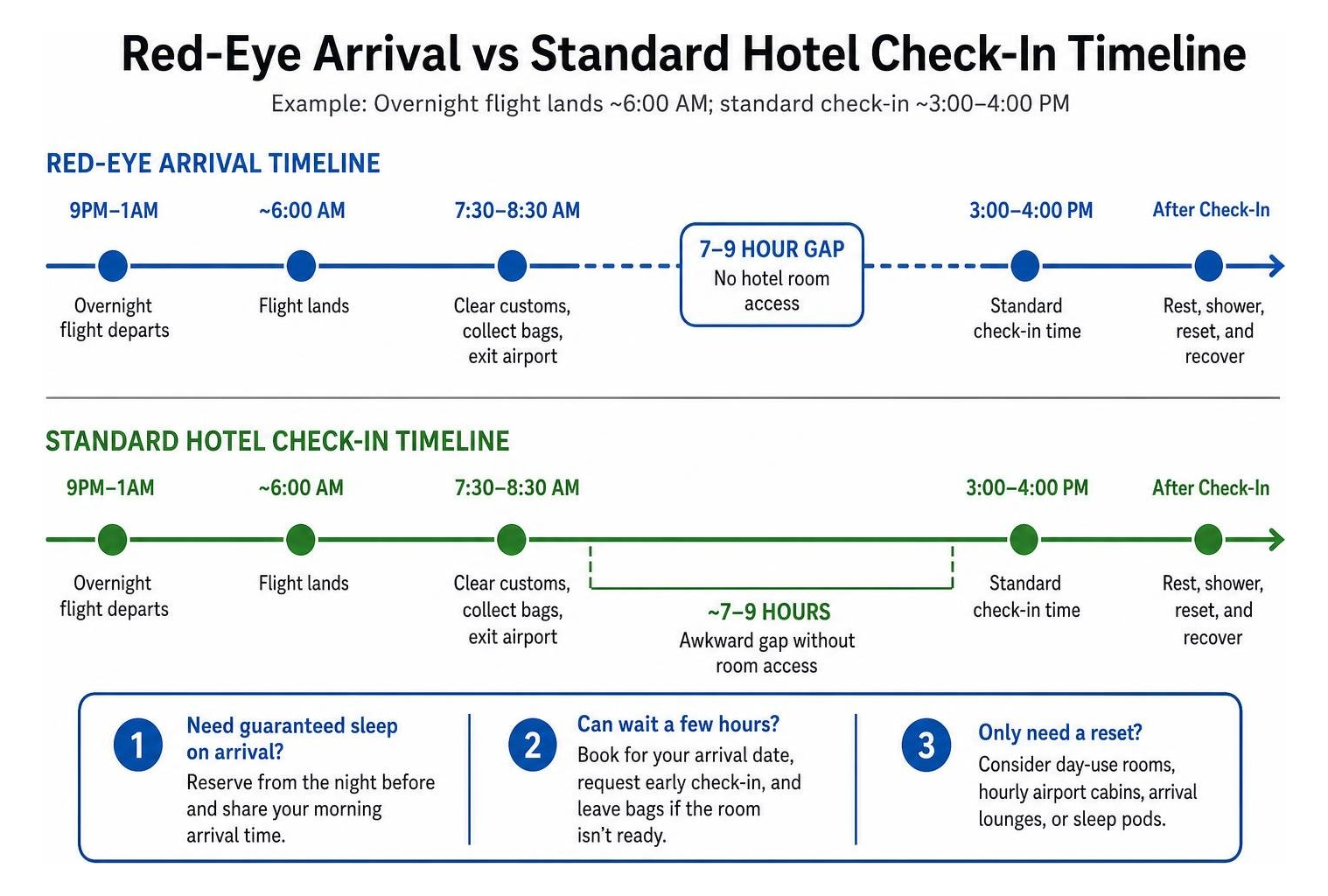
If your red-eye lands at 5 or 6 AM and hotel check-in is not until mid-afternoon, do not assume a room will be ready. Book an airport hotel for a red eye based on how badly you need rest:
- Need guaranteed sleep on arrival? Reserve the room from the night before and tell the hotel your morning arrival time so it is not marked as a no-show.
- Can wait a few hours? Book for your arrival date, request early check-in before you travel, and plan to leave bags with the front desk if the room is not ready.
- Only need a reset? Look for day-use rooms, hourly airport cabins, arrival lounges, or sleep pods where you can shower, rest, and change without paying for a full night.
Red-eye flights usually leave between 9 PM and 1 AM, then arrive early enough to create an awkward gap between landing and standard hotel check-in. A smart plan protects your energy, avoids dragging luggage around all morning, and gives you a better shot at adjusting to local time.
I am Hank Cai, founder of JetKonnect, where I build practical airport-specific tools for flyers who want less wasted time on flight day. With 18-plus years in travel search and growth strategy, I focus on clear, real-world guidance for finding the right airport hotel for red eye arrivals, lounges, food, and other airport essentials.
Why Early Morning Red-Eye Arrivals Create a Check-In Dilemma
Overnight commercial flights depart late in the evening—typically between 21:00 and 01:00—and touch down at dawn. Airlines schedule these routes to maximize aircraft utilization while aircraft would otherwise sit idle on the tarmac, avoiding daytime peak runway congestion and slot fees. For travelers, flying overnight saves precious daytime hours and eliminates one night of accommodation on paper.
However, landing at 06:00 creates an immediate logistical friction point across major airports. Whether landing on a domestic transcontinental route like Los Angeles to New York (which lasts 3 to 6 hours while losing 3 hours to time zones) or an eastbound transatlantic flight from North America into Europe where roughly 99% of scheduled passenger flights operate overnight, passengers clear customs, collect luggage, and exit the terminal by 07:30 or 08:30. Standard hospitality check-in windows, however, do not open until 15:00 or 16:00. This leaves a 7- to 9-hour void where travelers find themselves sleep-deprived, burdened with heavy luggage, and lacking a private place to shower or rest.
The Physiology of Red-Eye Fatigue and Circadian Misalignment
The physical exhaustion felt after an overnight flight is rooted in biological rhythm disruption. In a peer-reviewed sleep study evaluating 1.5 million nights of sleep data across 64,847 trips, researchers discovered that body clock misalignment and cognitive performance deficits peak during days 2 through 4 after travel rather than immediately on day 1.
Sleeping upright in a pressurized cabin with low humidity prevents deep restorative slow-wave and REM sleep cycles. When you land at dawn, your circadian clock remains tied to your departure time zone while your brain struggles with sleep debt. Forcing yourself through high-stakes morning meetings or dragging suitcases through busy streets without a strategic rest window amplifies sleep disruption for up to four full days.
Standard 3 PM Check-In Policies vs. 6 AM Landings
Hotels structure operational schedules around housekeeping turnover windows. Departing guests check out between 11:00 and 12:00, giving housekeeping staff a four-hour block to clean, sanitize, and inspect rooms before the standard 15:00 check-in time.
When you walk into a lobby at 07:00, the previous night’s guests are still asleep in their beds. Unless the hotel ran below full occupancy the night before, the front desk physically cannot hand you a room key. Many properties, such as the Drury Inn & Suites Atlanta Airport, offer early check-in options for a nominal fee (such as $30) subject strictly to room availability, but this is never guaranteed during peak travel periods. If every room was occupied the night prior, you must wait until rooms are cleaned.
How to Book an Airport Hotel for Red Eye Arrivals
Navigating the early morning check-in dilemma requires choosing the right booking strategy for your physical needs and budget. The table below outlines the three primary lodging approaches for post-red-eye rest:
| Booking Option | Typical Availability | Average Cost | Best For | Key Advantage |
|---|---|---|---|---|
| Micro-Stay / Transit Pod | Hourly (4 to 12 hours) | Low to Moderate | Short layovers & quick refreshes | Pay only for the exact hours used inside the terminal |
| Day-Use Room | Fixed daytime blocks (e.g., 08:00–17:00) | 40%–60% of overnight rate | Business travelers & midday rests | Full hotel amenities, private desk, bed, and shower |
| Night-Before Booking | Guaranteed upon early morning arrival | 100% of standard overnight rate | Complete post-flight sleep & families | Immediate access to a dark room and bed at 06:00 |
Booking an Airport Hotel for Red Eye Layover Micro-Stays
When your travel itinerary includes a long layover before a connecting flight or train, in-terminal capsule and micro-hotels provide a seamless resting solution. Facilities like YOTELAIR London Gatwick operate landside right inside terminal concourses, offering compact, soundproofed cabins featuring adjustable SmartBeds, high-pressure rain showers, and work surfaces.
These properties allow travelers to book rooms by the hour with a four-hour minimum stay. Because they operate 24/7 check-in desks directly connected to arrivals, you can deplane, walk straight to your cabin without boarding shuttles or hailing taxis, take a warm shower, sleep in complete darkness, and wake up steps from departures.
Reserving Day-Use Rooms at an Airport Hotel for Red Eye Recovery
If you land in your final destination city early in the morning and need a quiet workspace, a proper bed, and a shower before evening commitments, day-use rooms offer the ideal middle ground. Rather than paying for a full overnight stay, day-use reservations grant access to standard guest rooms between roughly 08:00 and 17:00 at a fraction of standard overnight pricing.
Full-service airport properties like the Sonesta Los Angeles Airport LAX provide day-use rooms equipped with double-paned soundproofed windows to block runway noise, on-site dining, and 24-hour fitness facilities. Staying near LAX with dedicated 24/7 shuttles running every 15 minutes allows you to transition smoothly from the baggage carousel to a quiet room without losing productive work hours.
Securing Guaranteed Early Morning Check-In with Hotels
When immediate, guaranteed sleep is mandatory—such as traveling with infants, elderly family members, or ahead of an afternoon presentation—you must book the room starting the calendar night before your departure.
If your flight departs Los Angeles on Monday night at 23:00 and touches down in New York on Tuesday at 07:00, book the hotel for Monday night. This ensures the property holds a prepared room throughout Monday evening.
To prevent the hotel from marking your reservation as a “no-show” and releasing your room at 02:00:
- Contact the front desk directly via phone or official app messaging 24 to 48 hours in advance.
- Provide your flight number and clear estimated time of arrival (ETA), stating: “My red-eye flight lands at 06:00 on Tuesday morning; I am paying for Monday night so I can check in immediately upon arrival at 07:30.”
- Request written confirmation on your booking folio noting your delayed morning arrival.
Elite hotel loyalty status can also unlock complimentary early check-in privileges when rooms are vacant, but during peak seasons, purchasing the prior night remains the only 100% guaranteed method for immediate 06:00 access.
Smart Alternatives to Bridge the Morning Check-In Gap
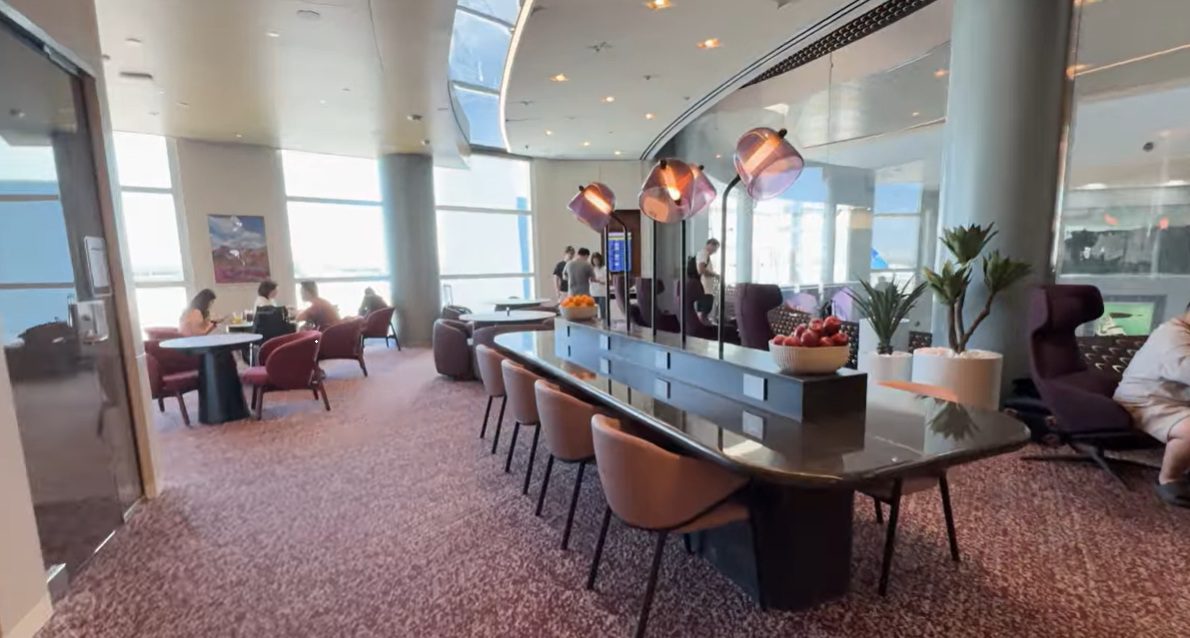
If paying for an extra hotel night or booking a day room does not fit your travel budget, several alternative strategies help bridge the gap between landing and afternoon check-in.
Utilizing Arrival Lounges and Sleep Pods
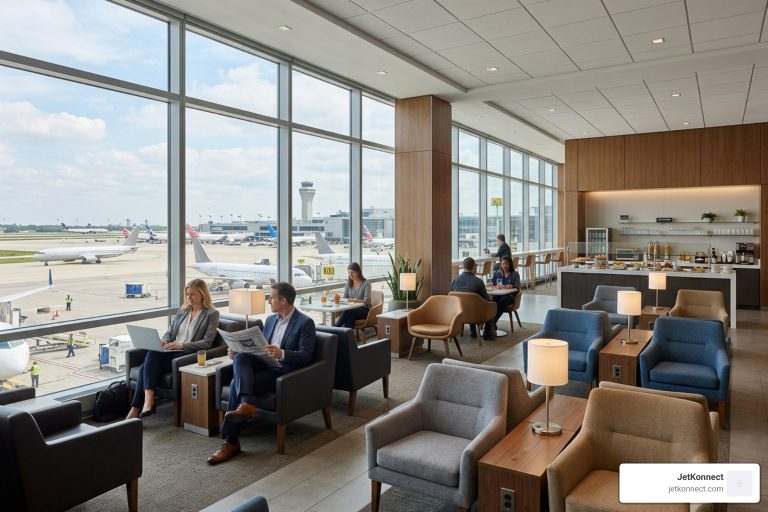
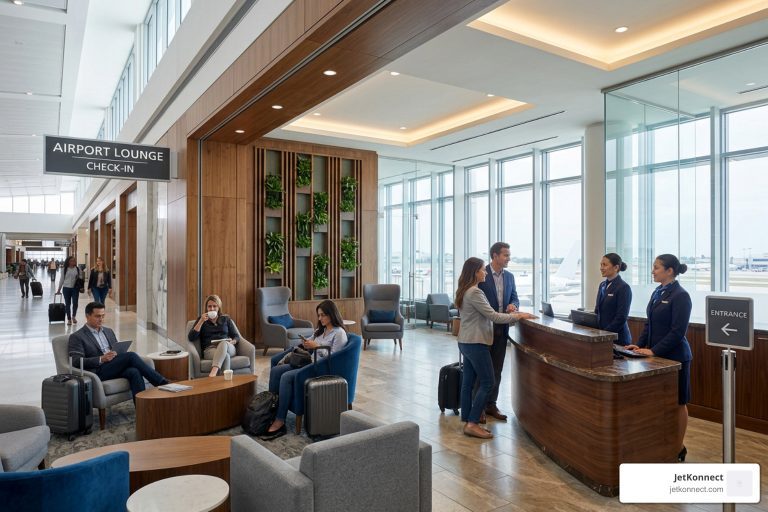
Airport lounges provide a quiet environment to freshen up, eat a nutritious breakfast, recharge electronics, and decompress. Understanding how to get into airport lounges allows you to access private shower suites, barista coffee, and designated quiet zones directly after clearing customs.
Travelers without elite frequent flyer status can often purchase lounge day passes to access partner facilities. When deciding on premium transit options, our review on whether guides: is lounge access worth it? highlights that the value of a private shower, hot breakfast buffet, and quiet work cubicle often offsets the cost of spending hours in public terminal waiting areas or buying overpriced cafe food.
Dropping Luggage and Resetting Your Body Clock Outdoors
If you prefer to head straight to your destination hotel:
- Drop luggage with the concierge: Nearly every full-service hotel stores guest luggage for free prior to official check-in. Leave your bags, freshen up in the lobby restroom, and head out unencumbered.
- Seek natural sunlight: Post-arrival exposure to natural outdoor light suppresses melatonin production and resets your internal circadian clock. Take a gentle walk in an outdoor park or join an open-air hop-on hop-off city tour.
- Stay active and hydrated: Light aerobic movement stimulates circulation, combating deep vein pooling from prolonged sitting. Avoid heavy carbohydrates, drink ample water, and hold off on major contractual decisions or complex work until your 48-hour post-flight recovery window passes.
Essential In-Flight and Arrival Strategies for Red-Eye Flyers
Maximizing comfort on an overnight flight makes landing hours before hotel check-in significantly easier to manage.
Preparing Your Body and Packing for Overnight Rest
Your in-flight routine directly influences your physical state upon early morning arrival:
- Seat Selection: In economy cabins, always choose a window seat. Window seats give you a solid surface to lean your head against, prevent aisle passengers from waking you when accessing the lavatory, and give you control over the window blind. If upgrading, note that business class lie-flat configurations (predominantly found on twin-aisle widebody aircraft like the Boeing 777/787 or Airbus A350) cost 3 to 5 times more than economy—climbing up to 10 times higher on routes over six hours—while premium economy provides substantial recline and legroom at roughly 50% the business class price point.
- Nutrition & Hydration: Eat a light meal (such as soup, salad, or fruit) prior to boarding. Digesting heavy proteins or fatty meals at 35,000 feet disrupts deep sleep phases. Avoid alcohol and excessive caffeine before departure.
- Two-Bag Toiletry Strategy: Keep a compact in-flight pouch with earplugs, eye drops, and lip balm at your seat, and store a separate arrival grooming kit in your carry-on overhead. When you land at hubs like JFK, visit the arrival restroom or lounge to brush your teeth, wash your face, and change into fresh clothes before departing for your accommodation.
Navigating Red-Eye Travel with Children
Overnight flights with children can work smoothly if planned around established domestic bedtime rituals:
- Maintain Sleep Associations: Have children change into pajamas at the departure gate, brush their teeth before boarding, and bring familiar comfort items (such as a favorite blanket or soft toy).
- Time Boarding and Meals: Feed children dinner before boarding so they do not have to stay awake waiting for late-night cabin meal services.
- Plan Transit Transitions: When connecting or landing through major transit hubs like ORD, keep strollers easily accessible at the aircraft gate and pack extra snacks for the early morning waiting gap before hotel check-in opens.
Frequently Asked Questions About Red-Eye Hotel Booking
Should I book a hotel room for the night before my red-eye flight?
Yes, if you require guaranteed, immediate access to a bed and shower upon landing at 06:00 or 07:00. Booking the night of your departure ensures the room is vacant, clean, and held under your name. Always contact the hotel front desk 24 to 48 hours prior to check-in with your flight details and morning ETA so your reservation is not marked as a no-show and canceled.
How early will hotels allow check-in after an early morning flight?
Complimentary early check-in depends entirely on the property’s occupancy from the previous night. If vacant, inspected rooms are available, hotels often accommodate guests as early as 09:00 to 11:00 without extra charges. If the hotel was 100% full the previous evening, you will need to store your luggage with the front desk and wait until standard check-in (usually 15:00) while housekeeping cleans departing rooms.
Are day-use airport hotel rooms cheaper than regular overnight rates?
Yes. Day-use hotel rooms are typically 40% to 60% cheaper than standard overnight rates. They grant access to all private room amenities, bathrooms, Wi-Fi, and fitness centers during standard daytime windows (such as 08:00 to 17:00), making them a cost-effective solution for red-eye arrivals seeking rest without paying for a multi-night stay.
Can I store luggage at a hotel before check-in time?
Yes. Nearly every full-service hotel stores guest luggage for free before official check-in. Drop your bags with the concierge, freshen up in the lobby restroom, and head out to explore or work unencumbered until your room is ready.
What causes red-eye fatigue beyond simple tiredness?
Red-eye fatigue comes from circadian misalignment, not just lost sleep. A peer-reviewed sleep study evaluating 1.5 million nights of data across 64,847 trips found that body clock misalignment and cognitive performance deficits actually peak on days 2 through 4 after travel, not on day 1. Sleeping upright in a pressurized, low-humidity cabin also blocks deep restorative slow-wave and REM sleep, which compounds the effect.
Conclusion
Landing on an early morning red-eye flight hours before standard hotel check-in does not have to result in an exhausting, unproductive travel day. By identifying whether you need a guaranteed room booked from the night before, a flexible day-use hotel suite, an hourly micro-cabin, or an airport arrival lounge shower, you can protect your sleep schedule and streamline transit logistics.
When planning your next overnight itinerary, browse our comprehensive guide to LAS Hotels and airport resources to secure the ideal lodging, lounges, and transit amenities for your travel day.